
Sports technology has transformed the way fans, analysts, and developers interact with the games they love. Accessing live scores, player statistics, and match schedules is now easier than ever thanks to sports APIs. These tools allow developers to pull data from sports databases and integrate it into apps, websites, or analytics dashboards. Understanding the differences between premium services like ESPN API and free sports APIs can help beginners and professionals alike make informed decisions for their projects.
Understanding Sports APIs
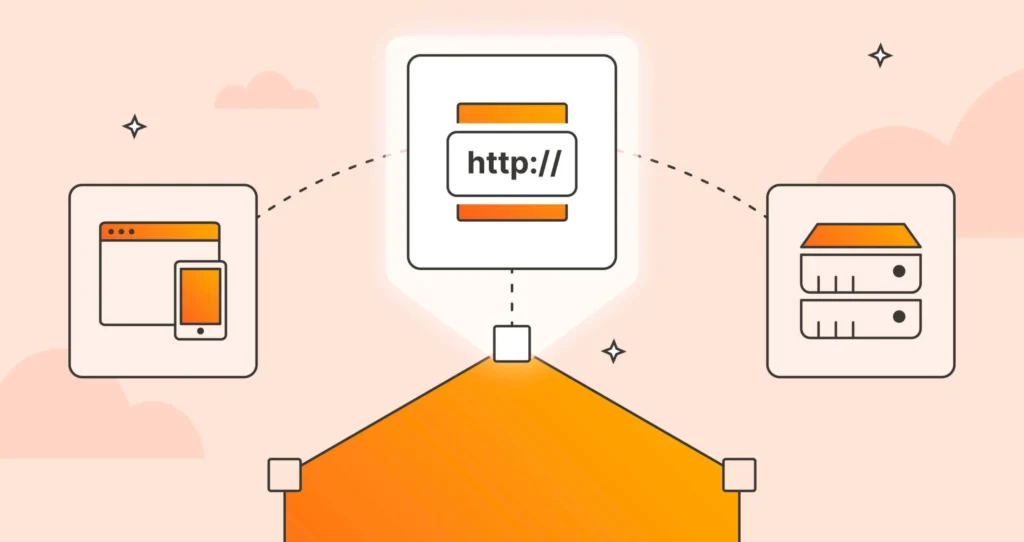
APIs, or Application Programming Interfaces, act as bridges between different software systems. In sports, APIs provide structured access to real-time or historical data. Developers can request information about leagues, teams, players, or match events, and receive it in formats like JSON or XML. Typical data offered includes live scores, player statistics, upcoming fixtures, historical results, and even sports news. By using sports APIs, developers save time and avoid building complex data infrastructure from scratch.
ESPN API
ESPN API stands out as a trusted source for comprehensive sports data. It delivers high-quality, real-time information for major leagues and sports worldwide, including football, basketball, baseball, and more. Developers gain access to player stats, match results, schedules, rankings, and news updates. ESPN API is particularly valuable for apps or platforms requiring reliable, detailed sports coverage. Its documentation is clear, making it easier for beginners to integrate, though access may be restricted or require a commercial license depending on use.
Top Free Sports APIs
Free sports APIs provide an excellent entry point for beginners and hobby developers. Popular options include APIs offering live scores, player stats, league standings, and match predictions. Many free APIs are beginner-friendly, offering simple authentication, straightforward documentation, and community support. While coverage may not be as extensive as ESPN, free APIs are perfect for testing ideas, learning API integration, or building small-scale applications without upfront costs.
Comparing ESPN API and Free Sports APIs
Data coverage and quality differ significantly between ESPN API and free alternatives. ESPN excels with depth, reliability, and global coverage, while free APIs may have limited leagues or slower update intervals. Ease of use varies too; free APIs often prioritize simplicity for learning purposes, while ESPN’s structured data suits larger, professional projects. Integration depends on the API’s documentation and support resources. Pricing remains a clear distinction: ESPN may require licensing, whereas many free APIs allow immediate use with basic restrictions.
Choosing the Right API for Your Project
Choosing between ESPN API and free sports APIs depends on project requirements. Consider the type of data needed, how frequently updates must occur, and whether commercial use is intended. Beginners might start with free APIs to experiment and learn before moving to premium options. Use cases vary: casual apps may only need scores and schedules, while professional analytics platforms benefit from ESPN’s detailed player statistics and historical data.
Getting Started with Sports APIs
Integration begins with signing up for the chosen API, obtaining an API key, and understanding endpoint documentation. Developers should test calls using tools like Postman, then integrate the data into their app or website. Common challenges include handling rate limits, parsing JSON responses, and updating data efficiently. Online resources, tutorials, and communities are invaluable for beginners looking to master sports API integration.
Frequently Asked Questions
What is the difference between ESPN API and free sports APIs?
ESPN API offers detailed, reliable, and real-time sports data for major leagues, often requiring licensing for commercial use. Free sports APIs are more limited in coverage but are beginner-friendly and ideal for small projects or learning purposes.
Can beginners use ESPN API?
Yes, beginners can use ESPN API, but it may require more understanding of structured data and possibly a commercial license for certain uses. Free APIs are generally easier for first-time users.
Which free sports APIs are best for learning?
APIs with simple authentication, clear documentation, and supportive communities are best for beginners. Popular options often provide live scores, basic player stats, and league standings.
Is it possible to switch from a free API to ESPN API later?
Absolutely. Many developers start with free APIs to prototype projects and later upgrade to ESPN API for better data coverage, reliability, and advanced analytics.
Do sports APIs provide historical data?
Yes, many sports APIs, including ESPN API, offer historical data. This can include past match results, player performance stats, and league standings, which are useful for analytics and predictions.
Are there any limits to using free sports APIs?
Most free APIs have rate limits, restricted endpoints, or limited leagues covered. Understanding these limitations is important to avoid disruptions in your app or project.
Conclusion
Exploring ESPN API and top free sports APIs opens opportunities for learning, creativity, and building engaging sports applications. Free APIs offer an accessible starting point, while ESPN provides comprehensive coverage for larger, professional projects. Understanding each option’s strengths ensures the right fit for your goals, making the journey from beginner to advanced developer both exciting and achievable.