Sports data powers everything from fantasy leagues to analytics dashboards. For developers and sports enthusiasts, accessing this data has become easier thanks to sports APIs. Top free sports APIs in 2026 offer a range of options, while premium services like ESPN API provide comprehensive coverage for larger projects. Understanding the differences between free and premium APIs helps beginners and experienced developers alike choose the right tools for their applications.
What Are Sports APIs?
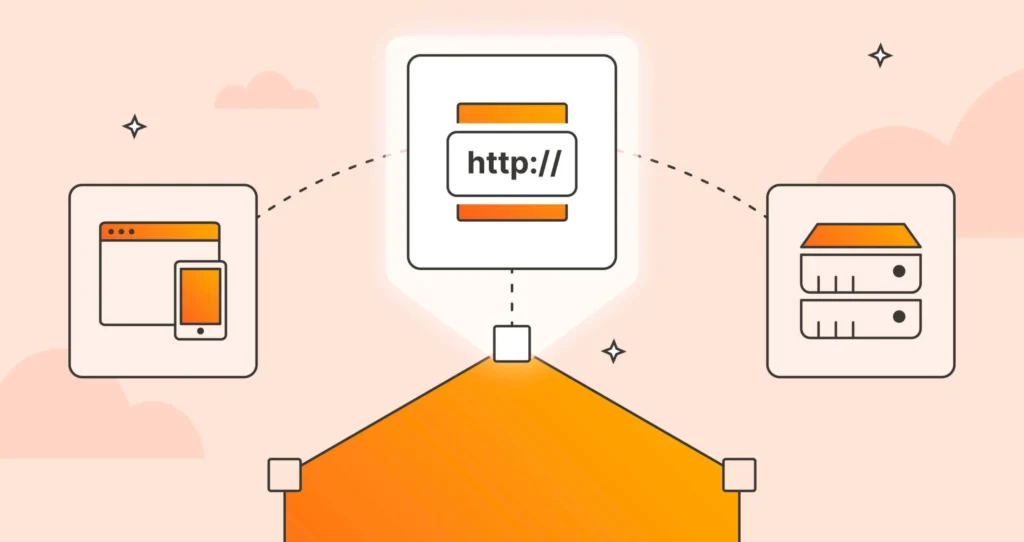
Sports APIs, or Application Programming Interfaces, act as bridges between your app and vast sports databases. These tools allow developers to pull live scores, player stats, schedules, and historical results directly into their applications. By connecting to an API, developers avoid manually scraping websites or maintaining huge datasets. Instead, APIs deliver structured data in formats like JSON or XML, making integration efficient and scalable. In 2026, sports APIs have evolved to support real-time updates, multiple sports leagues, and even predictive analytics, offering immense potential for both hobby projects and professional platforms.
Overview of ESPN API
ESPN API remains one of the most trusted sources for sports data worldwide. It offers detailed, real-time information across major leagues in football, basketball, baseball, and more. Developers can access live match scores, player statistics, schedules, rankings, and news updates, making it ideal for applications that demand reliable and accurate coverage. Beyond data quality, ESPN API provides clear documentation, which simplifies integration for beginners who are ready to move from experimental projects to more sophisticated apps. Some limitations include licensing requirements for commercial use and restricted access to certain endpoints, but these are balanced by the richness and reliability of the data offered.
Top Free Sports API Alternatives in 2026
Free sports APIs have grown in 2026, providing beginner-friendly solutions for developers who want to experiment without upfront costs. These APIs typically cover live scores, league standings, basic player stats, and match schedules. While they may not match ESPN API in depth or global coverage, free alternatives offer straightforward authentication and simple endpoints that are perfect for learning API integration. Developers can build small-scale apps, dashboards, or even test new features without worrying about licensing fees. Several free sports APIs also come with supportive communities and tutorials, making it easier to troubleshoot and optimize projects.
Comparing ESPN API and Free Alternatives
Comparing ESPN API with free sports APIs highlights several differences that matter for project planning. Data coverage remains the most noticeable distinction: ESPN API delivers extensive historical and real-time statistics, while free APIs may focus on selected leagues or slower update intervals. Accessibility and ease of use also differ; free APIs prioritize simplicity for beginners, while ESPN API offers more structured and detailed datasets suited for professional apps. Integration depends on documentation quality, and while ESPN provides robust support, free APIs often rely on community forums. Pricing is another consideration, as ESPN may require a paid license, whereas most free APIs are available immediately with basic restrictions.
Choosing the Right API for Your Project
Selecting the ideal API depends on the type of project and the data required. Casual applications, such as personal dashboards or hobby apps, often benefit from free sports APIs due to their simplicity and accessibility. Professional projects that demand comprehensive statistics, historical data, or commercial use may find ESPN API more suitable despite licensing costs. Beginners can start with free APIs to build confidence and experience before transitioning to premium options for larger, more advanced applications. Understanding project goals, data needs, and future scalability ensures the right API choice.
Getting Started with Sports APIs
Starting with a sports API involves signing up, obtaining an API key, and understanding how endpoints work. Testing API calls using tools like Postman or similar platforms allows beginners to familiarize themselves with data structures and response formats. Challenges may include handling rate limits, parsing JSON responses, and updating information efficiently. Tutorials, documentation, and developer communities serve as invaluable resources for overcoming these obstacles. Beginning with free APIs provides a risk-free environment to learn, experiment, and gain confidence before integrating more complex services like ESPN API.
Frequently Asked Questions
What is the main difference between ESPN API and free sports APIs?
ESPN API provides detailed, reliable, and real-time data across major leagues, while free sports APIs focus on basic coverage suitable for beginners and small-scale projects.
Can beginners use ESPN API effectively?
Yes. While beginners may need to familiarize themselves with structured data and endpoints, ESPN API documentation makes integration manageable. Free APIs remain easier for first-time users.
Which free sports APIs are most suitable for learning?
APIs that offer simple authentication, clear documentation, and basic player stats are ideal for beginners. These provide a risk-free environment for experimenting with app development.
Is it possible to switch from a free API to ESPN API later?
Absolutely. Many developers prototype with free APIs before upgrading to ESPN API for richer data coverage and commercial use.
Do sports APIs offer historical data?
Yes. Both free and premium APIs often provide past match results, player performance stats, and league standings, which are valuable for analytics and predictive projects.
Are there limitations to free sports APIs?
Free APIs often have rate limits, restricted endpoints, or partial league coverage. Understanding these limits helps prevent disruptions in apps or projects.
Conclusion
Top free sports APIs in 2026 make sports data accessible to beginners, hobbyists, and developers exploring new projects. While ESPN API provides premium, detailed coverage for larger applications, free alternatives allow learning, experimentation, and small-scale integration without upfront costs. Evaluating project needs, data requirements, and long-term goals ensures developers choose the right API and successfully build engaging, data-driven sports applications.