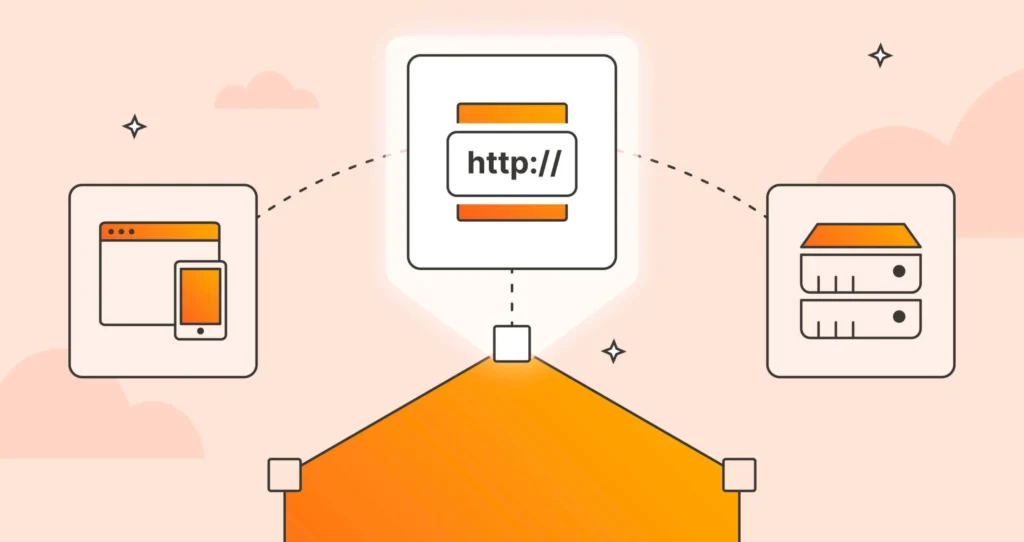
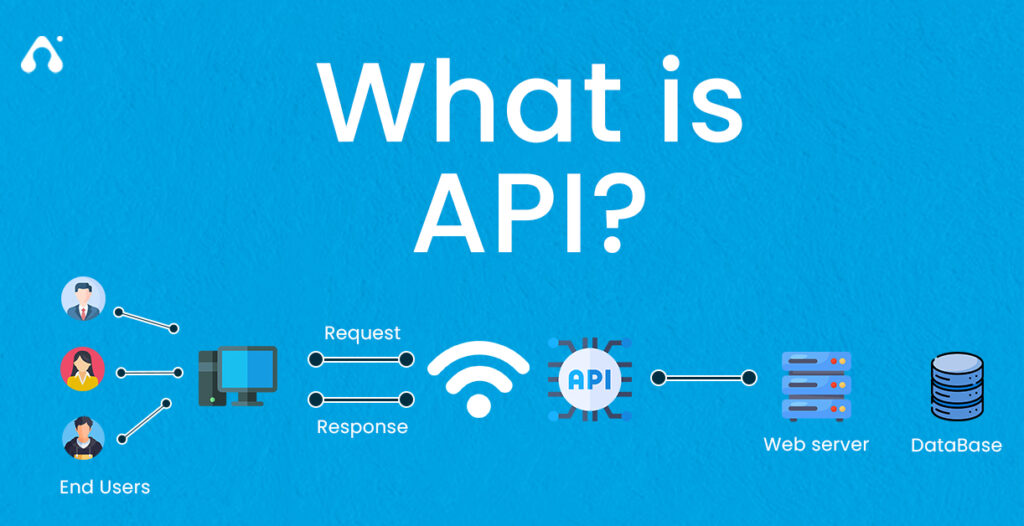
In simple terms, an API, or Application Programming Interface, is like a messenger that helps different apps and programs talk to each other. It allows one app to use information or services from another app without knowing how it works inside.
APIs are all around us. Every time you check the weather on your phone, log in to a game using social media, or stream videos online, APIs are working quietly in the background to make it happen. They make apps faster, smarter, and easier to use.
What Does API Mean?
An API, or Application Programming Interface, is a tool that helps different apps and programs communicate with each other. It acts as a helper that passes information back and forth, making apps work together without showing their internal code.
API is Like a Waiter in a Restaurant
Imagine an API as a waiter at a restaurant. You place an order, and the waiter delivers it to the kitchen. The kitchen prepares your food and the waiter brings it back to your table. You never see how the kitchen cooks the food, and the kitchen doesn’t know who you are.
APIs work the same way. When one app needs information from another, the API carries the request and returns the response. This keeps things simple and fast for both sides.
API is Like a Bridge Between Systems
You can also think of an API as a bridge connecting two cities. People can travel safely from one city to another using the bridge, even if the cities are very different.
APIs connect two apps or programs in the same way. They allow data to move safely and accurately between systems without requiring the apps to know how each other works.
Why APIs Are Important
APIs let apps talk to each other and share information seamlessly. A weather app can get temperature updates from a weather service API, a social media app can post content through an API, and a payment app can process transactions safely using an API.
Learning what an API means helps you understand how the digital world works behind the scenes and why apps can do so much without being complicated.
How APIs Work
How APIs work is actually simpler than it sounds. An API acts like a bridge between two apps. One app sends a request for information, and the API responds with the data. This request-and-response process allows apps to share information quickly and efficiently without needing to know how each other works inside.
Understanding Requests and Responses
Every time an app needs information, it sends a request to an API. The API then sends back a response with the data the app asked for. Most of the time, this data comes in a format called JSON, which is easy for apps to read and use.
For example, a weather app asks an API for today’s temperature. The API responds with the current temperature, humidity, and forecast. The app takes this data and shows it neatly on your screen. This all happens in seconds, letting you see live updates instantly.
Real-Life Examples of APIs
APIs are everywhere, powering apps we use every day. Google Maps uses APIs to show real-time locations and traffic conditions. Instagram relies on APIs to display photos, videos, and user profiles. Spotify uses APIs to fetch songs, playlists, and album details from its servers.
These examples make it clear that APIs help apps work smarter and faster. Understanding how APIs work gives you insight into the technology behind the apps you use daily and shows why developers depend on APIs to create seamless experiences.
Why Knowing How APIs Work Matters
Learning how APIs work helps beginners and aspiring developers understand the backbone of modern apps. It explains how apps communicate, share data, and provide real-time updates. Once you understand the request-and-response process, you can start exploring APIs yourself and build apps that connect with real-world data.
Types of APIs
Understanding types of APIs helps you see how apps and services communicate with each other. APIs can be public, private, or shared with partners, and each type has its own use and level of access.
Web APIs
Web APIs are used to let apps and websites talk over the internet. They allow one app to request information from another and get a response in real time. For example, a weather app uses a web API to show today’s temperature and forecast. Web APIs are everywhere and help apps fetch data quickly and easily.
Open APIs (Public APIs)
Open APIs, also called public APIs, are available for anyone to use. Developers don’t need special permission to access them. For example, social media platforms often offer open APIs so apps can post content or display feeds. Open APIs are perfect for learning, testing, and building apps that work with popular services.
Private APIs
Private APIs are used inside a company and aren’t shared with the public. They help different parts of a business communicate securely. For instance, a company might use a private API to connect its mobile app with its internal database. Private APIs make sure sensitive information stays safe while allowing apps to work together efficiently.
Partner APIs
Partner APIs are shared with specific businesses or trusted partners. They allow controlled access to certain data or services. For example, a travel booking site might use a partner API from an airline to show flight schedules and handle bookings. Partner APIs balance accessibility with security, giving partners just the access they need.
Why API Security Matters
Security is essential for all APIs. APIs often handle sensitive information like personal details, payment data, or login credentials. Developers must protect APIs with authentication, encryption, and proper access control. Even with open or partner APIs, keeping data safe ensures apps run smoothly and users stay protected.
Why APIs Are Important
APIs are a key part of how modern apps and websites work. Understanding why APIs are important helps you see how programs connect and share information behind the scenes.
APIs Save Developers Time
APIs save developers a lot of effort. Instead of building every feature from scratch, developers can use an API to get ready-made services. For example, an online store can use a payment API to accept credit cards safely. This means the developer doesn’t have to create a complicated payment system from zero, which saves time and reduces mistakes.
APIs Make Apps Work Smoother
APIs help apps get information quickly from other programs. This makes apps faster and easier to use. For instance, a weather app can use a weather API to show live temperature and forecast updates without storing all the data itself. This keeps the app working smoothly and gives users real-time information.
APIs Make Data Sharing Simple
APIs act like bridges between different apps. They allow developers to share data safely and efficiently. Social media platforms, maps, and online stores all rely on APIs to exchange information. By using APIs, developers can build apps that connect with other services, offer more features, and deliver real-time updates to users.
The Power of APIs
APIs are important because they save time, make apps faster, and allow seamless data sharing. Learning why APIs are important helps beginners and developers understand how apps communicate behind the scenes. With APIs handling the hard work of connecting systems, developers can focus on creating exciting and useful features.
Examples of APIs in Everyday Life
APIs are everywhere in our daily digital lives. They act like invisible helpers, allowing apps and services to talk to each other and share information smoothly. Understanding how APIs work can make you see why they are so important. Here are some easy examples of APIs in action.
Social Media APIs: Sharing Content Easily
Social media platforms like Facebook and Instagram use APIs to let other apps connect with them. For example, when a photo editing app allows you to post a picture directly to Instagram, it is using Instagram’s API. The API sends your photo securely and makes sure it shows up on your profile without needing your password. APIs make sharing content fast and safe between apps.
Payment APIs: Fast and Secure Online Payments
Every time you buy something online using PayPal or Stripe, APIs make the payment process work. The app sends your payment information through the API to the payment system, which confirms the transaction instantly. Payment APIs help online shopping feel quick, secure, and simple for everyone.
Weather APIs: Real-Time Temperature Updates
Weather apps rely on weather APIs to provide live information. When you check the temperature or forecast on your phone, the app requests data from a weather service using an API. The API delivers updated information right away, so you always see accurate weather conditions. APIs make sure your weather app is smart and reliable.
Travel APIs: Booking Flights and Hotels Effortlessly
Travel apps like Expedia or Booking.com use APIs to connect with airlines and hotels. These APIs fetch information about flight schedules, hotel rooms, and prices, so you can compare options and book quickly. Travel APIs save time and make planning trips much easier by combining data from many sources in one place.
How to Start Using an API
Understand API Basics
Learning how to use an API starts with understanding what it does. An API allows apps and programs to share data and services easily. Knowing the basics helps you see how requests work and how data comes back in a format like JSON.
Read API Documentation
Every API comes with documentation, which is like a roadmap. It explains what the API can do, which endpoints are available, and how to make requests. Reading documentation carefully helps beginners avoid mistakes and use the API effectively.
Get an API Key When Needed
Some APIs require an API key, which acts like a digital ID. This key lets the API know who you are and keeps access secure. Beginners can usually get free keys from the API provider, but it’s important to keep them private.
Make Your First Request
After understanding the API and getting a key, you can make your first request. A request is simply asking the API for information, like the latest sports scores, weather data, or news updates. Using beginner-friendly tools like Python or JavaScript, you can see the API’s response and start experimenting with real data.
Practice with Free APIs
The best way to get confident is by trying free APIs online. Free APIs let you fetch real information and build small projects without worrying about cost. Experimenting helps you understand how APIs work and gives you hands-on experience for creating apps or websites.
Pros and Cons of Using APIs
Understanding APIs means knowing both their strengths and weaknesses. APIs are tools that let apps talk to each other, share data, and add cool features, but they also come with some challenges.
Pros of Using APIs
APIs Save Time
APIs let developers use existing services instead of building everything from scratch. For example, an app can handle payments using a payment API like PayPal instead of creating a payment system from zero. This saves time, reduces work, and helps apps work faster.
APIs Make Sharing Data Easy
APIs allow apps to exchange information smoothly. A weather app can get live temperature updates, or a social media app can post content automatically. APIs make data sharing simple and reliable without complex coding.
APIs Add Extra Features
Using APIs, apps can offer more functionality. A travel app, for instance, can show flights, hotels, and maps by connecting multiple APIs. This makes the app more useful and enjoyable for users.
Cons of Using APIs
Dependence on Other Services
Apps that use APIs rely on the provider. If the API stops working or experiences downtime, the app can have issues too. This dependency can sometimes affect performance.
Potential Security Risks
APIs share data between apps, which can expose sensitive information if not secured properly. Developers need to protect API connections to keep user data safe.
Changes Can Break Apps
APIs are updated over time. If the provider changes the API’s structure or access rules, apps using it may stop working. Developers must monitor updates to ensure apps continue running smoothly.
Frequently Asked Questions
What is an API?
An API, or Application Programming Interface, is a tool that allows different apps and programs to communicate. It works like a bridge, letting one app use information or services from another without knowing its inner code.
How do APIs work?
APIs work by sending requests and receiving responses. For example, a weather app asks a weather API for today’s temperature. The API sends back the data, and the app shows it to you in a readable format.
What are the types of APIs?
There are several types of APIs. Public APIs are open for everyone to use, private APIs are used internally by a company, and partner APIs allow specific partners to access data. Web APIs are commonly used to connect websites and apps.
Why are APIs important?
APIs make apps faster and smarter. They allow apps to share data, add extra features, and connect with other services without building everything from scratch. They help developers save time and create better user experiences.
Can beginners use APIs?
Yes! Beginners can use APIs with basic coding knowledge. Tools like Python, JavaScript, or online API testing platforms make it easy to start experimenting with free APIs.
Are APIs safe to use?
APIs are safe if used responsibly. Developers need to protect private information, follow API rules, and secure connections to prevent unauthorized access or data leaks.
What are some examples of APIs?
Popular examples include Google Maps API for location services, PayPal or Stripe API for payments, Twitter or Instagram APIs for social media updates, and weather APIs for live forecasts. These APIs power the apps we use every day.
What are the pros and cons of APIs?
The pros include saving time, making data sharing easy, and improving app functionality. The cons include relying on third-party services, security risks, and the possibility of API changes breaking your app.
Conclusion
Learning what an API is makes it easier to understand how apps and websites share information. An API works like a bridge, connecting different programs so they can talk to each other and exchange data safely. It is behind many things we use every day, like checking the weather, posting on social media, or making online payments.
APIs help apps work faster and smarter while making life easier for developers. Knowing what an API is gives you the confidence to explore technology, try out new projects, and understand how digital tools communicate. Even if you are just a user, understanding APIs shows how the apps you use every day really work.