Developers, sports bloggers, and data enthusiasts often search for ways to access live scores, schedules, and statistics from ESPN. This usually leads to one common question: is the ESPN API official or unofficial? Understanding this distinction is important before building any project that relies on ESPN data. This guide explains the status of the ESPN API in simple terms, helping beginners make informed decisions.
What Is the ESPN API?
The term “ESPN API” generally refers to web-based endpoints that provide sports data such as live scores, team information, player statistics, standings, and schedules. These endpoints return data in a structured format, usually JSON, which can be consumed by applications, websites, or scripts.
Although people commonly call it an API, ESPN does not publicly present it as a developer product. Instead, these endpoints are primarily designed to support ESPN’s own website and mobile applications.
Is the ESPN API Official or Unofficial?
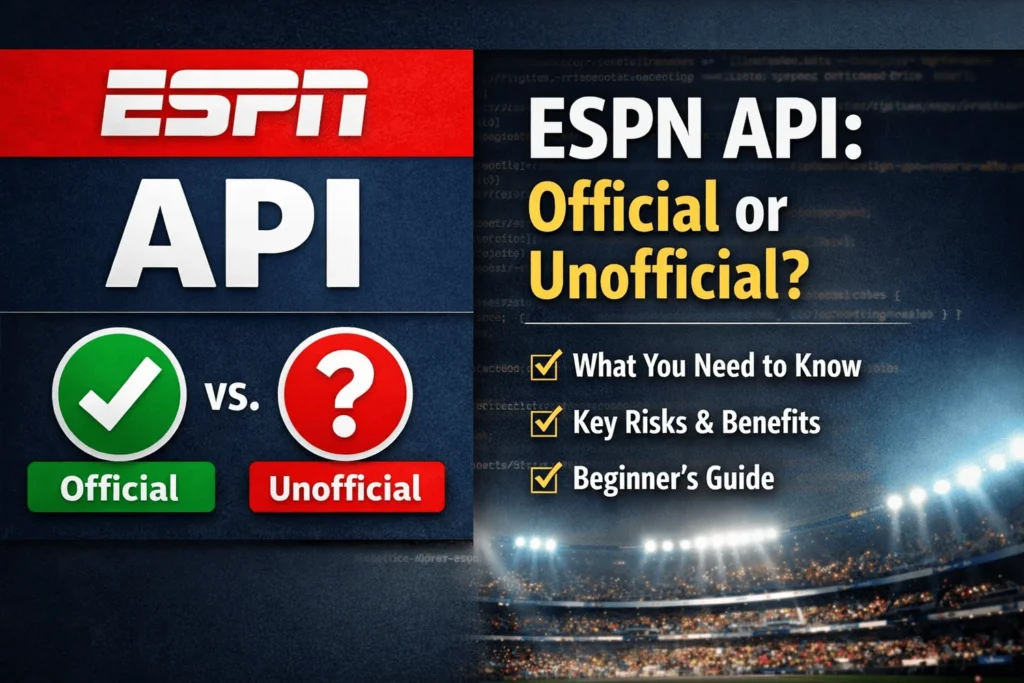
The ESPN API is unofficial.
There is no publicly documented, officially supported ESPN API for general developers. ESPN has not released formal documentation, developer guidelines, or a registration system for public API access. As a result, when developers use ESPN data endpoints, they are working with an unofficial API.
This distinction matters because unofficial APIs do not come with guarantees around stability, access, or long-term availability.
Why the ESPN API Is Considered Unofficial
The ESPN API is considered unofficial for several clear reasons. ESPN has never announced a public developer program for its sports data. There is no official documentation explaining endpoints, parameters, or data limits. Developers also do not receive API keys, authentication credentials, or technical support.
All known ESPN endpoints have been discovered by observing how ESPN’s own platforms load data. This method works, but it does not provide the assurances that come with an officially supported API.
How Developers Access ESPN API Data
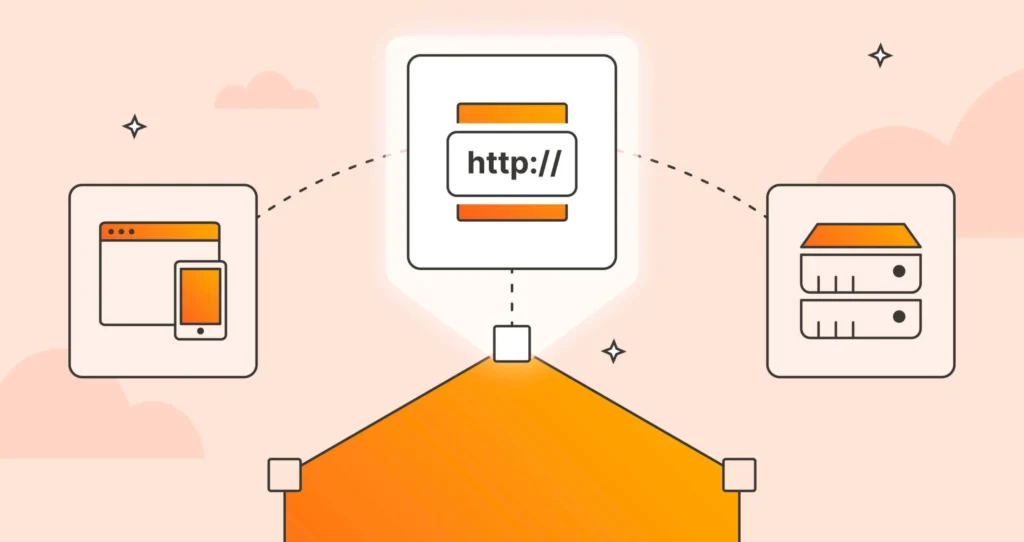
Developers typically access ESPN API data by sending direct HTTP requests to known endpoints used by ESPN’s website or apps. These endpoints often follow predictable URL patterns based on sport and league.
The response is usually a JSON object containing structured information about games, teams, or events. Because the API is unofficial, developers must rely on community knowledge and experimentation rather than official guidance.
Benefits of Using the ESPN API
Despite being unofficial, the ESPN API remains popular due to its practical advantages. It provides access to a wide range of sports data across multiple leagues and competitions. The data is generally well-structured and updated frequently, making it useful for live scores and current standings.
Another benefit is accessibility. Most endpoints do not require authentication, which lowers the barrier for beginners experimenting with sports data projects.
Limitations and Risks of an Unofficial ESPN API
Using an unofficial API comes with important risks. Endpoints can change or disappear without notice, which may break applications unexpectedly. There are no published rate limits, so heavy usage could lead to throttling or blocked requests.
There are also legal and compliance considerations. Since the API is unofficial, developers are responsible for ensuring their usage aligns with ESPN’s terms of service, especially for public or commercial projects.
When Using the ESPN API Makes Sense
The unofficial ESPN API can be a reasonable choice for personal projects, learning exercises, and small experiments. It works well for understanding how sports data is structured or for building private dashboards and prototypes.
For these use cases, occasional data changes or interruptions are usually manageable and do not carry serious consequences.
When to Consider Official Sports Data Alternatives
If reliability, support, and long-term stability are important, official sports data providers are a better option. This is especially true for commercial products, client work, or high-traffic applications.
Official providers typically offer documented APIs, customer support, service guarantees, and clear licensing terms, reducing both technical and legal risks.
Frequently Asked Questions
Is the ESPN API official or unofficial?
The ESPN API is unofficial. ESPN does not provide public documentation, developer support, or an officially approved API for general use.
Does ESPN offer a public API for developers?
No, ESPN does not currently offer a publicly documented or supported API for developers. Any commonly used ESPN endpoints are internal and not intended for public distribution.
Can I legally use the ESPN API in my project?
You can use it for personal or educational purposes, but you must ensure your usage complies with ESPN’s Terms of Service. For commercial or public projects, legal and licensing risks should be carefully reviewed.
Do I need an API key to use the ESPN API?
In most cases, no API key is required. This is because the API is unofficial and was designed for ESPN’s own platforms, not external developers.
What kind of data does the ESPN API provide?
The ESPN API commonly provides live scores, schedules, standings, team information, player statistics, and game details across many sports and leagues.
Is the ESPN API reliable for production applications?
No, it is not recommended for production use. Since the API is unofficial, endpoints can change or stop working at any time without notice.
Why do developers still use the ESPN API?
Developers use it because it is easy to access, provides rich sports data, and works well for learning, prototypes, and personal projects despite its unofficial status.
What are the main risks of using the ESPN API?
The main risks include unexpected endpoint changes, lack of support, possible request blocking, and uncertainty around long-term availability.
Are there official alternatives to the ESPN API
Yes. Several official sports data providers offer documented APIs with support, licensing, and reliability. These are better suited for commercial or large-scale applications.
Should beginners use the ESPN API?
Beginners can use the ESPN API for practice and learning purposes. It is a good way to explore sports data structures, but it should not be relied on for serious or business-critical projects.
Conclusion
So, is the ESPN API official or unofficial? The answer is clear: it is unofficial and undocumented. While it offers convenient access to rich sports data, it comes without guarantees or support.
For learning and personal projects, the ESPN API can be a useful resource. For professional or production use, choosing an official sports data provider is the safer and more sustainable path. Understanding this distinction helps developers avoid surprises and build projects with confidence.