Imagine you’re a budding sports app developer. You’re eager to create a live scoreboard app that shows NBA, NFL, or MLB updates in real-time. You’ve heard about web scraping and think, “Why not just pull the data straight from ESPN’s website?” It seems simple—until you hit your first hurdle: ESPN blocks your requests, or worse, you receive a warning about violating their policies.
Web scraping is a powerful tool, but when it comes to large media companies like ESPN, it’s not always legal or safe. Understanding whether ESPN allows scraping is crucial for anyone who wants to use sports data without running into technical, legal, or ethical problems. In this guide, we’ll break down ESPN’s policies, the risks of scraping, technical challenges, and safe alternatives for developers, hobbyists, and analysts alike.
What is ESPN and its Online Presence
ESPN, short for Entertainment and Sports Programming Network, is a global leader in sports broadcasting. Founded in 1979, it provides real-time scores, highlights, articles, and live streaming of major sporting events, from the NFL to international soccer leagues. Their website and apps handle millions of users daily, delivering content in dynamic, interactive formats.
For a developer, ESPN appears like a treasure trove of structured sports data—scores, team stats, player profiles, and historical performance. But there’s a catch: most of this content is protected and proprietary, meaning you can’t just copy or scrape it without permission.
Understanding Web Scraping
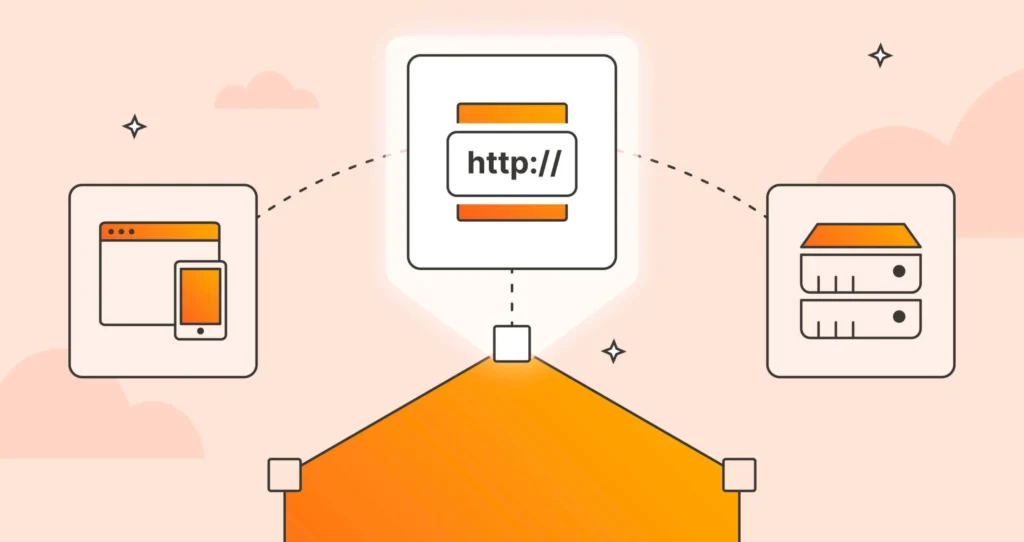
Web scraping is the process of automatically extracting data from websites using software or scripts. For example, a Python script might pull the latest NBA scores from a webpage, parse the HTML, and store it in a database for use in an app or dashboard.
While scraping can save time and allow creative projects, it comes with legal and technical risks if used on sites like ESPN. A common beginner mistake is assuming that if you can see the data in a browser, you can use it freely. This misconception often leads to blocked IPs, broken scripts, or even legal trouble.
ESPN’s Official Policy on Scraping
Terms of Service Related to Automated Access
ESPN’s Terms of Service (ToS) explicitly prohibit automated access to its website and content. This includes bots, scrapers, or scripts designed to pull scores, articles, or player stats without authorization.
For example, if a hobbyist tries to scrape live NFL scores for a side project, they are technically violating ESPN’s ToS—even if it’s not for profit. The policy applies to commercial developers, hobbyists, and students alike, making it critical to understand before attempting scraping.
Legal Implications of Violating ESPN’s Policies
Ignoring ESPN’s restrictions can lead to serious consequences:
- Copyright infringement: Their content is legally protected, including text, images, and stats.
- Breach of contract: Using automated tools violates the website’s terms.
- Computer Fraud and Abuse Act (CFAA) violations in the U.S.: Accessing data in unauthorized ways can trigger legal action.
A real-world example: a developer scraped ESPN’s NBA endpoints for a fantasy app and was blocked after excessive requests. Even though the project was small-scale, the breach of terms could have led to legal complications if used commercially.
Technical Challenges of Scraping ESPN
Dynamic Content and JSON Endpoints
ESPN uses dynamic websites that rely on JavaScript to load data, meaning the HTML page alone often doesn’t contain the information you need. Instead, ESPN fetches data from internal JSON endpoints in the background.
For example, the NBA scoreboard endpoint looks like:
https://site.api.espn.com/apis/site/v2/sports/basketball/nba/scoreboardWhile you can access this via a browser, it is undocumented and not supported for public use. A beginner might write a script to pull scores from this endpoint only to find it stops working after an ESPN site update.
Anti-Scraping Measures Implemented by ESPN
ESPN actively protects its content with:
- IP throttling or blocking for unusual traffic
- Dynamic request validation requiring specific headers or cookies
- Frequent endpoint changes to prevent long-term scraping
Even if you successfully extract data for a personal project, it’s likely temporary and fragile, requiring constant maintenance.
Risks and Consequences of Scraping ESPN
Legal Risks for Individuals and Businesses
Scraping ESPN exposes you to copyright infringement and contract violations, especially if you distribute or monetize the data. Businesses attempting to bypass restrictions may face:
- Legal notices or takedown requests
- IP blocking or service denial
- Potential lawsuits for unauthorized use
Even small-scale student projects aren’t exempt, although the risk is lower if data remains private and non-commercial.
Technical Risks and Data Reliability
Scraping also carries practical and technical challenges:
- Data may be incomplete or inaccurate if endpoints change unexpectedly
- Scripts may break frequently due to site update
- High traffic scraping can trigger security blocks, disrupting your project
A real-world example: a hobbyist scraped MLB scores for a weekend dashboard, only to find the endpoint changed mid-season, rendering the app useless until they reverse-engineered a new path.
Alternatives to Scraping ESPN
Using Licensed Sports Data APIs
Licensed sports data providers offer legal, reliable access to live scores, stats, and historical data. Options include:
- Sportradar: widely used for commercial apps and betting platforms
- TheSportsDB: free and open database for personal projects
- Sportsdata.io: detailed API with historical and live stats
Using these ensures compliance, stability, and support, avoiding the headaches of scraping.
ESPN+ and Official Partner Programs
For those who specifically need ESPN content:
- ESPN+ subscription provides legal access to streaming, scores, and analysis
- Business partnerships allow commercial projects to integrate ESPN content under license
These options guarantee legal protection and reliable updates, unlike scraping.
Free and Legal Options for Accessing Sports Data
Even without a commercial budget, developers can explore:
- Open-source sports APIs like TheSportsDB
- RSS feeds and official league websites
- Public datasets from Kaggle or academic sources
These alternatives provide beginner-friendly access without violating policies.
Best Practices for Accessing ESPN Data Legally
Tips for Developers and Sports Analytics Projects
- Always check API documentation and licenses
- Use rate-limiting and caching to minimize server load
- Prefer official endpoints or licensed providers over scraping
Example: A student creating a personal NBA stats dashboard used TheSportsDB API and avoided legal issues while still displaying live scores.
Avoiding Copyright and Terms of Service Violations
- Never distribute scraped content commercially
- Attribute sources if allowed
- Regularly review terms of service for updates
Practical step: if you want to display ESPN stats on a website, consider linking or embedding from ESPN+ instead of scraping the data.
Frequently Asked Questions
Does ESPN allow scraping of its website or app content?
No, ESPN does not allow scraping. Its Terms of Service explicitly prohibit automated tools, bots, or scripts that extract data from the website or mobile apps. Attempting to scrape ESPN can lead to legal issues, IP blocks, and service disruption.
Can I use ESPN’s internal JSON endpoints for my projects?
ESPN uses JSON endpoints internally for its website and apps, these endpoints are undocumented and not officially supported for public use. Using them for personal or commercial projects can violate ESPN’s Terms of Service and is not considered safe or reliable.
What are the legal risks of scraping ESPN?
Scraping ESPN can result in:
Copyright violations, since their content is legally protected
Breach of contract, violating the website’s Terms of Service
Potential civil or criminal liability under laws like the U.S. CFAA if done at scale or commercially
What are the technical risks of scraping ESPN?
Technical challenges include:
Frequent changes to endpoints and site structure that break scripts
Dynamic content loaded with JavaScript, making HTML parsing unreliable
Anti-scraping measures like IP blocking or request throttling
Are there legal alternatives to scraping ESPN?
Yes, safe alternatives include:
Licensed sports data APIs (e.g., Sportradar, Sportsdata.io, TheSportsDB)
ESPN+ subscriptions for personal or authorized use
Official partner programs for commercial integration
Public/open-source datasets from leagues or platforms like Kaggle
Can I use scraped ESPN data for educational projects?
Even for educational purposes, scraping ESPN is technically against their policies. It’s safer to use open-source datasets or public APIs to ensure compliance while still learning or experimenting with sports data.
How can I display ESPN content legally on my app or website?
You can legally display ESPN content by:
Embedding widgets or feeds provided by ESPN+
Using licensed APIs for live scores or stats
Linking directly to ESPN articles rather than copying content
What is the best approach for beginners who want ESPN data?
For beginners:
Start with free, open-source sports APIs like TheSportsDB
Use small-scale JSON endpoints cautiously for learning, without distribution
Avoid any commercial use of scraped data
Always review terms of service before using the data
Conclusion
ESPN does not allow scraping, and attempting to extract data directly from their website carries legal, technical, and ethical risks. For beginners and professionals alike, the safest path is to use:
- Licensed sports APIs like Sportradar or TheSportsDB
- ESPN+ or official partnerships for authorized content
- Open-source datasets for non-commercial or educational projects
By following these steps, you can build reliable, beginner-friendly sports apps or dashboards without violating rules or risking your project. Remember, the key is not just getting the data, but doing it legally, sustainably, and responsibly—so your scoreboard app, analytics project, or personal dashboard thrives without unexpected setbacks.