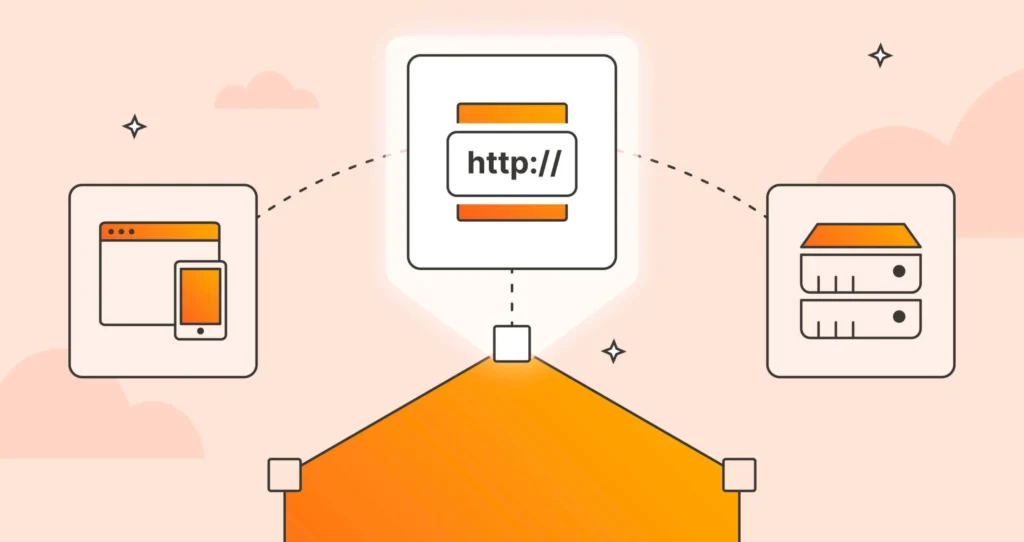

Many sports fans and developers ask this question because they want quick access to live scores, schedules, and player stats from ESPN. An API, or Application Programming Interface, makes it easy for apps and websites to get data automatically. Having a public ESPN API would let developers build sports apps and tools without manually checking the website. For anyone who loves sports and technology, this sounds like a game-changer.
Right now, ESPN does not offer an official API for public use. In the past, there were some options, but they have been discontinued. Some developers find unofficial ways to access ESPN data through the website or app, but these methods are not guaranteed and can stop working anytime. Exploring reliable alternatives can help fans and developers get the sports information they need safely and easily.
What an API Is
Many people wonder, is there an official ESPN API available to the public? To understand this, it helps to know what an API is. An API, or Application Programming Interface, is a tool that lets apps and websites share information automatically. For example, if there were a public ESPN API, a sports app could get live scores, player stats, or game schedules straight from ESPN without anyone checking the website manually.
APIs make sports apps faster and smarter. Fans could see updates in real-time, and developers could create apps that use accurate ESPN data easily. Even though ESPN does not offer an official API for public use, knowing what an API does shows why having one would be so useful. APIs help people get the data they want quickly and reliably, especially in the world of sports.
Official ESPN API Status
No Official ESPN API Available
The short answer is no. ESPN does not offer a public API that lets developers or fans directly access live scores, schedules, or player stats. This means anyone hoping to get real-time ESPN data automatically cannot rely on an official source.
Past API Options
ESPN used to have some API options for developers, but these were limited and have since been discontinued. The network decided to remove public access, so those tools are no longer available.
Why a Public API Would Help
Having a public ESPN API would make it much easier for developers to create sports apps, websites, or tools. It would give fans and tech creators real-time information straight from ESPN without extra work.
Unofficial Workarounds
Some developers find unofficial ways to access ESPN data through their website or apps. While these methods can work, they are not supported by ESPN and can stop working anytime. Using unofficial data requires caution, and it’s never as reliable as an official API.
Unofficial Ways to Access ESPN Data
Many developers and sports fans wonder how to get ESPN information since there is no official API. Unofficial ways to access ESPN data can help you see live scores, schedules, and player stats. These methods are not supported by ESPN, so they might stop working if the website or app changes.
Using ESPN Website JSON Endpoints
ESPN’s website and app load data through special links called JSON endpoints. Developers can use these links to get scores, stats, and schedules in a structured format. It works like an API but is not officially provided by ESPN.
Web Scraping
Web scraping lets programs read ESPN pages and collect information automatically. This method can show game results, standings, and schedules. It requires some coding, and it might break if ESPN updates their site.
Community Libraries and Wrappers
Some developers have created libraries or wrappers that make it easier to access ESPN’s internal data. Tools in Python or JavaScript can fetch live scores and stats without manually tracking the URLs.
Important Tip
Unofficial methods are useful for personal projects or learning, but they are not permanent. For reliable access, official alternatives or other sports data APIs are safer and more stable.
Alternatives to an Official ESPN API
Even though there is no official ESPN API available to the public, there are other ways to get sports data. Developers and sports fans can use these alternatives to build apps, check scores, and follow schedules without relying on ESPN directly.
Public Sports Data APIs
Some companies provide sports data APIs that are available to everyone. These APIs give live scores, stats, schedules, and player information. Examples include Sportsdata.io, The Sports DB, and API-Football. Using these services is safe and reliable because they are meant for public use.
Web Scraping and RSS Feeds
Another way to get sports information is by scraping websites or using RSS feeds. Scraping collects data from public pages, while RSS feeds give updates directly. These methods require some technical skills, and users must follow rules so they do not break any terms of service.
Community and Open-Source Libraries
Some developers share open-source tools that access sports data. These tools are free and can be used for personal projects. They often work with unofficial ESPN endpoints, but results are not guaranteed to always work.
Choosing the Right Alternative
When official APIs are not available, it is important to pick an alternative that is safe, reliable, and fits your project. Public APIs are usually the easiest and most professional choice for developers and sports fans.
Protecting Their Data
ESPN has a lot of valuable sports information, like live scores, stats, and player details. Allowing a public API could make it easy for anyone to take this data. ESPN might want to control who can access their information to keep it safe and accurate.
Business and Licensing Reasons
ESPN has contracts with sports leagues and broadcasters. Sharing data through a public API could break these agreements. By keeping the API private, ESPN can follow the rules and avoid legal issues.
Maintaining Quality and Accuracy
Sports fans expect ESPN data to be correct and up-to-date. A public API could let apps or websites show outdated or wrong information. By not offering a public API, ESPN makes sure the information stays reliable.
Controlling How Fans Experience ESPN
ESPN wants fans to use their apps and website. If a public API existed, people might access ESPN data elsewhere instead. This could reduce the number of visitors to their own platforms.
Frequently Asked Questions
Does ESPN have a public API?
No, ESPN does not offer an official public API right now. Developers and fans cannot access ESPN data directly through a supported API.
Can I still get ESPN data for apps or projects?
Yes, but only through unofficial methods. Some developers use internal ESPN endpoints from the website or app, but these are not guaranteed and can stop working anytime.
Why doesn’t ESPN provide a public API?
ESPN keeps the API private to protect its data, follow licensing agreements with leagues, maintain accurate information, and ensure fans use their official apps and website.
Are there alternatives to an ESPN API?
Yes, there are other sports data APIs like Sportsdata.io or TheSportsDB that provide scores, schedules, and stats. They are public, reliable, and safe for developers.
Can unofficial ESPN APIs be used for commercial projects?
It’s risky. Unofficial methods are not supported by ESPN, and using them for business purposes might break their terms of service.
Conclusion
No, an official ESPN API available to the public does not exist. ESPN does not provide a public platform for developers or fans to access their data directly. This means getting real-time scores, stats, or schedules from ESPN officially is not possible. In the past, some limited options existed, but they have been discontinued. Knowing that there is no official ESPN API available to the public helps anyone planning projects or apps understand the current limits.
Developers sometimes use unofficial methods to access ESPN data, but these can be unreliable and may stop working at any time. Thankfully, there are other public sports APIs that are safe, reliable, and easy to use for scores, standings, and schedules. Understanding that no official ESPN API exists encourages fans and developers to explore trusted alternatives for their projects and dashboards.