Is API sports free is one of the first questions developers and product owners ask when planning a sports-based app or website. Sports APIs make it easy to access live scores, match schedules, team stats, and player data without building everything from zero. From fantasy sports platforms to simple score widgets, APIs play a huge role in delivering fast and reliable sports information. Knowing whether this data can be accessed for free helps set realistic expectations before time and resources are invested.
Free sports APIs do exist, but the answer is not always simple. Many providers offer limited free plans designed for testing, learning, or small personal projects. These plans often come with restrictions such as data delays, request limits, or limited league coverage. Understanding how free access works, and where the limits begin, helps you choose the right API with confidence and avoid surprises as your project grows.
What Is a Sports API?
Sports API Meaning Explained
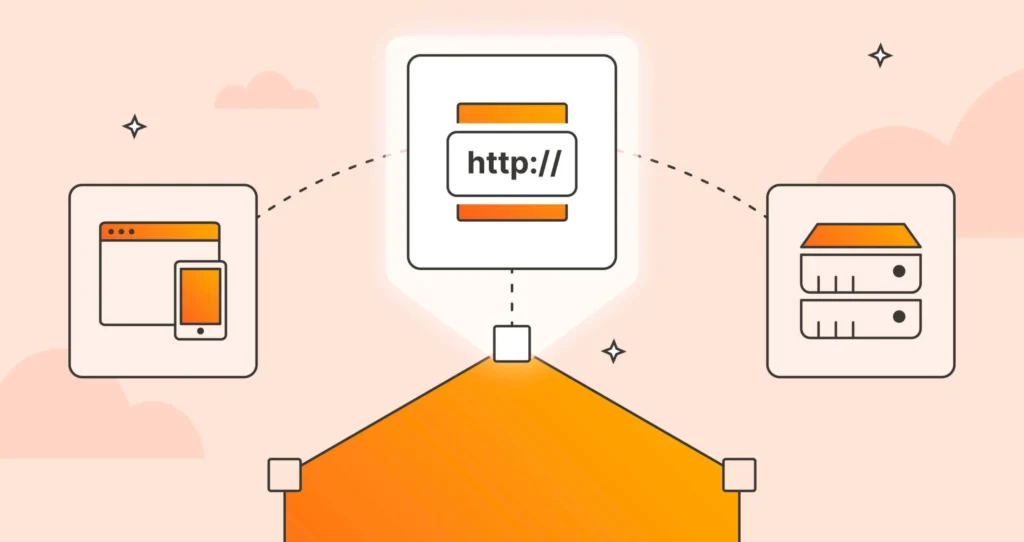
Sports API is a simple way for apps and websites to get sports data automatically. Instead of updating scores or stats by hand, developers connect to a sports API and receive fresh information in seconds. This makes it easy to show accurate sports content without building a complex system. Sports APIs are widely used because they save time and keep data reliable.
Types of Data You Get From a Sports API
Sports API platforms provide different kinds of data based on the sport and plan. Most APIs offer live scores, match schedules, and final results. Many also include team and player statistics, league standings, and injury updates. Some advanced sports APIs even share betting odds and performance history, helping apps deliver richer and more useful content.
How Sports APIs Are Commonly Used
Sports API data powers many popular websites that show live scores and match details. Mobile apps use it for real-time updates and game alerts. Dashboards rely on sports APIs to display stats in a clean and easy way. AI tools also use sports API data to analyze trends, predict outcomes, and improve sports insights for fans and businesses.
What Does “Free” Mean in the Context of Sports APIs?
Free Sports API Means Limited Access
Free sports API access usually means you can use sports data without paying at the beginning, but with clear limits. Most free plans allow only a certain number of requests per day or month. This keeps the service fair and prevents heavy usage without cost.
Free Sports APIs Are Made for Learning
Free sports APIs are mainly built for beginners, students, or small test projects. They help users learn how APIs work and build simple apps before moving to advanced features. Larger apps often outgrow free plans quickly.
Free Sports API Data May Not Be Real-Time
Free sports API data is often delayed. Live scores and updates may appear a few minutes late. This works fine for practice or casual apps, but real-time platforms usually need paid access.
Limited Sports and Leagues on Free Plans
Free sports APIs usually cover popular sports and major leagues only. Detailed stats, player history, and smaller leagues are often part of paid plans.
Business Use Is Often Restricted
Free sports API plans may not allow commercial use. Using the data for websites, ads, or paid apps often requires a license or upgrade.
Free Sports APIs Can Change Over Time
Free access is not always permanent. Limits and features may change as the provider grows.
Free Sports APIs Are a Starting Point
Free sports APIs are great for learning and testing. Serious projects usually need paid plans for better speed, accuracy, and support.
Types of Free Sports APIs
Free sports APIs come in different shapes, and knowing the options helps you pick the right one for your project. Each type has its own benefits and limits, so understanding them makes working with sports data much easier.
Official Free Sports APIs
Official free sports APIs are provided by leagues, federations, or trusted organizations. They usually offer basic data like match schedules, team standings, and scores. These APIs are reliable and safe to use, but live stats or full data coverage may not be included.
Freemium Sports APIs
Freemium sports APIs give free access with limits. You might get a set number of requests per day or slightly delayed scores. This type of free sports API is perfect for testing, learning, or small personal projects. Paid plans unlock faster updates and more data.
Unofficial or Public Sports APIs
Unofficial sports APIs are the ones websites and apps often use to show scores or stats. They are usually free and easy to access, but the data can change or stop anytime. They work well for personal or practice projects, but may not be reliable for big apps.
Open-Source Sports APIs
Open-source sports APIs are built by developer communities and shared for free. They are great for experimenting or small projects. Updates may be slower, but they are a solid option if you want a free sports API to practice with or learn coding.
Popular Sports APIs That Offer Free Plans
Finding a sports API free plan can be a great way to start building apps or websites without spending money. Many developers rely on these free options to test ideas, learn how APIs work, or create small projects with real-time scores, schedules, and player stats.
Sports data
Sports data gives access to live scores, stats, and schedules across multiple sports. Their free plan is perfect for trying out the API and experimenting with projects before moving to a paid plan.
The Sports DB
The Sports DB is easy to use and provides data about teams, players, and matches. Its free tier is great for beginners who want to build websites or apps using sports information.
API-Football
API-Football focuses on soccer and offers a free plan with match schedules, live scores, and team stats. It’s simple to start and perfect for testing small projects.
ESPN Unofficial API
The ESPN API offers scores and stats for many sports. While unofficial, it is free to use for personal or learning projects, giving access to real-time sports data.
Football-Data
Football-Data provides free access to soccer leagues, fixtures, and results. The free tier has limits but is enough for small apps or learning how to use sports APIs effectively.
Choosing the right sports API free plan depends on the sports you want, the data you need, and how much you plan to use it. Free plans are a great way to start without risk and see what works for your project.
Limitations of Free Sports APIs
Free Sports APIs Can Be Slow
Free sports APIs often don’t give live updates instantly. Scores and stats might appear a few minutes late. For apps that need real-time data, this can be a big challenge.
Limited Requests Each Day
Most free sports APIs let you request data only a certain number of times per day. If your app gets popular or has many users, you might hit the limit quickly.
Fewer Sports and Leagues
Free sports APIs usually focus on big leagues and popular sports. Smaller leagues or niche competitions often aren’t included, which can limit what your app can show.
Missing Advanced Features
Some features like detailed player stats, historical records, or in-depth analytics are usually reserved for paid plans. Free sports APIs give you the basics but not the extras.
No Commercial Use
Many free sports APIs are meant only for learning or personal projects. Using them in a business or monetized app can be against the rules.
Less Reliability
Free sports APIs may occasionally go offline or give errors. Paid APIs usually have better uptime and support to fix problems quickly.
Changes Can Happen Anytime
Providers can change limits or even shut down free access without warning. Relying only on free sports APIs can be risky for long-term projects.
When a Paid Sports API Is Worth It
Real-Time Updates Keep Users Engaged
Paid sports APIs deliver instant scores, match events, and player stats. If your app shows live games, real-time data keeps users coming back. Free APIs often have delays, so a paid API is worth it for accuracy.
Legal Use for Commercial Projects
Using sports data in apps that make money usually requires a paid API. Paid plans give legal permission to use the data, while free options often restrict commercial use. This protects your project from legal problems.
Broader Coverage Across Sports and Leagues
Paid sports APIs include more leagues, tournaments, and sports. Free APIs often focus only on major leagues. If your app needs wide coverage, paid APIs ensure all the data you need is available.
Reliability and Support You Can Count On
Paid APIs have better uptime and customer support. Free APIs can go down or change without notice, which can disrupt your app. Paid options keep your project running smoothly.
Advanced Stats and Features
Some apps need in-depth analytics, historical data, or detailed player stats. Paid sports APIs provide advanced features that free options usually don’t.
Scalable for Growing Apps
As your app grows, free APIs may limit requests or data access. Paid APIs scale with your project, making them a smart investment for long-term growth.
Legal and Licensing Considerations for API Sports
Who Owns the Data
API sports data is owned by leagues, companies, or official sports sources. Using it without permission can get you into trouble. Always check the owner before adding data to your app or website.
Free APIs and Their Limits
Many free API sports plans are meant for personal or learning projects. Using them for apps that make money or reach lots of users can break the rules. Understanding these limits keeps your project safe.
Commercial Use Rules
Not all API sports allow commercial use. Free plans often block apps that sell products, show ads, or charge users. Paid plans usually give full permission for commercial projects.
Sharing Data with Others
Some API sports restrict copying or reposting their data. Avoid sharing scores, stats, or other info publicly unless the rules say it’s okay.
Protecting Your Project
Following legal and licensing rules helps your project stay secure and avoid penalties. Reading the terms carefully is always worth it.
How to Choose the Right Sports API
Choosing the right sports API can make your app or website much easier to build and more enjoyable for users. Not all APIs are the same, so it helps to know what to look for before making a choice.
Know Which Sports and Leagues You Need
Make sure the sports API covers the games and leagues your users care about. Some APIs focus only on football or basketball, while others include multiple sports. Picking one that fits your needs keeps your project simple and complete.
Check How Fast the Data Updates
Real-time scores and stats are important for users who want up-to-date information. Look for a sports API that updates quickly and reliably so your app never feels slow.
Compare Free and Paid Options
Many sports APIs offer free plans, but they usually have limits like fewer requests or delayed updates. Paid plans give faster and more complete data. Choose the one that fits your project and budget.
Look for Easy-to-Use Documentation
Good documentation makes using a sports API much easier. Clear guides, examples, and sample code save time and help you avoid mistakes.
Confirm Commercial Use Rules
If your project is more than a personal app, make sure the sports API allows commercial use. Some free APIs are only for learning or personal projects.
Consider Reliability and Support
A reliable sports API keeps your app running smoothly. Check if the provider offers support when something goes wrong.
Test Before You Commit
Try the sports API with a small project first. Testing helps you see if the data is accurate, fast, and easy to use before investing too much time or money.
Frequently Asked Questions
Can I Use a Free Sports API for Commercial Projects?
Free sports APIs are great for learning and testing, but using them for commercial projects can be risky. Most free plans are meant for personal projects or experiments, not apps that make money. If you plan to build a business or earn revenue, choosing a paid or licensed sports API is safer and ensures reliable access to the data you need.
Are Unofficial Sports APIs Legal?
Unofficial sports APIs can be tempting because they’re easy to access, but their legality isn’t always clear. These APIs usually pull data from websites or apps without permission. For personal projects, they’re usually fine, but for commercial use, it’s better to stick with official or licensed sports APIs to avoid potential issues.
Do Free Sports APIs Provide Live Data?
Some free sports APIs do offer live scores, but updates might not be instant. You could see delays of a few minutes, which is fine for personal projects or casual apps. If your project needs real-time updates, like betting apps or live dashboards, a paid sports API usually delivers faster and more accurate data.
What Is the Best Free Sports API for Beginners?
The best free sports API for beginners is easy to use, well-documented, and covers the sports you care about. Free APIs let you test data, learn how APIs work, and build simple apps without extra cost. Once your project grows, you can upgrade to a paid plan for more features and faster updates.
Conclusion
Free sports APIs provide developers, hobbyists, and businesses with a practical way to access live scores, schedules, and player statistics without upfront costs. Many free plans allow testing, learning, or creating personal projects while offering a glimpse into the powerful capabilities of sports data. Understanding the limitations, such as request caps, delayed updates, and restricted leagues, ensures users can make informed decisions and avoid unexpected challenges. Using free sports APIs strategically helps build prototypes, dashboards, or analytics tools efficiently while keeping budgets low.
Choosing the right sports API depends on project goals and intended use. For commercial applications, real-time data, reliability, and legal compliance are crucial, making paid APIs often a better fit. Free sports APIs serve as an excellent starting point, offering valuable data for experimentation and small projects. Knowing their advantages and constraints allows developers to maximize their potential while planning for future scalability.